Oil-Immersed vs. Cast Resin Dry-Type Transformers: Technical Comparison & Application
A comprehensive side-by-side technical and financial analysis to help project managers and engineers specify the optimal transformer technology.
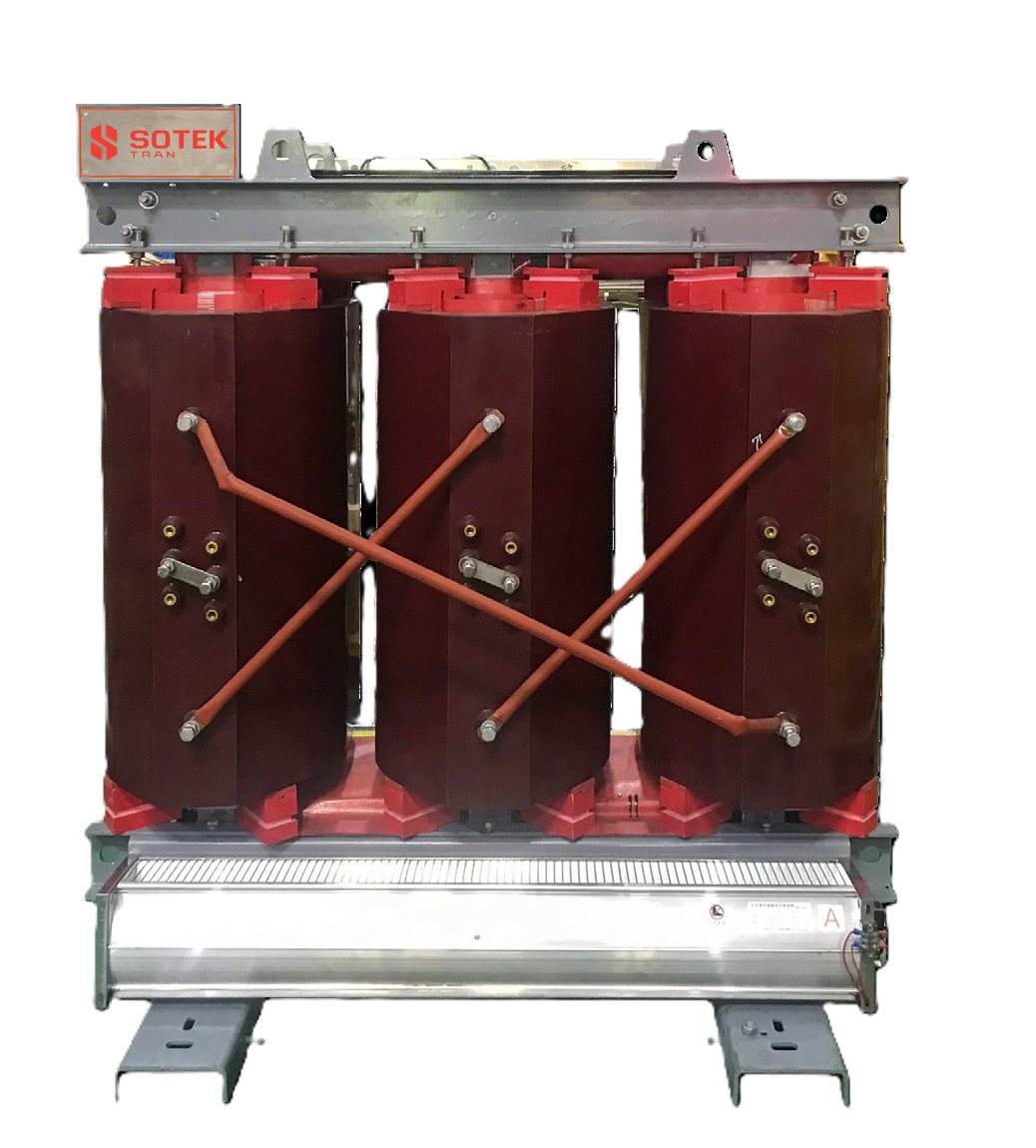
When designing electrical substations for commercial developments, industrial plants, or renewable energy facilities, selecting the correct transformer technology is one of the most critical engineering decisions. The debate between oil-immersed and cast resin dry-type transformers involves analyzing initial costs, safety, efficiency, installation space, and environmental impact.
This technical guide provides a detailed side-by-side engineering comparison between oil-filled and cast resin dry-type transformers to help project managers and engineers specify the optimal equipment.
1. What is the Difference Between Oil-Immersed and Dry-Type Transformers?
The primary difference is the cooling and insulation medium: oil-immersed transformers use mineral oil or synthetic ester for cooling, while dry-type transformers utilize ambient air and solid epoxy cast resin insulation.
Oil-filled units are typically installed outdoors due to fire safety codes, whereas cast resin dry-type units are ideal for indoor installations, high-rise buildings, and underground substations due to their self-extinguishing properties.
2. Technical Comparison: Oil vs. Dry-Type
For a clear decision-making matrix, the table below compares the technical specifications and operational limits of the two technologies:
| Comparison Parameter | Oil-Immersed Transformers | Cast Resin Dry-Type Transformers |
|---|---|---|
| Cooling Medium | Mineral Oil / Ester Fluid | Ambient Air (with or without forced fans) |
| Common Capacity Range | 50 kVA up to 100+ MVA | 50 kVA up to 20 MVA (SOTEK up to 6.3 MVA) |
| Fire Safety Rating | Class O1 (flammable oil) | Class F1 (self-extinguishing, non-flammable) |
| Installation Location | Outdoor / Restricted Indoor Vaults | Indoor (commercial buildings, basements) |
| Maintenance | Periodic oil testing & filtration required | Low maintenance (periodic dust cleaning) |
| Life Span | Typically 30 to 45 years | Typically 25 to 30 years |
| Environmental Risk | Risk of oil leaks (requires catch basins) | Zero risk of fluid leakage, eco-friendly |
| Relative Cost | Lower initial cost (approx. 100%) | Higher initial cost (approx. 130% – 150%) |
3. Deep Dive: Cast Resin Dry-Type Transformer Benefits
Cast resin dry-type transformers (like the high-efficiency models manufactured by SOTEK) utilize vacuum-cast epoxy resin around copper or aluminum windings. This design yields several distinct engineering advantages:
- Self-Extinguishing Fire Protection: Dry-type transformers contain almost zero combustible materials. In the event of an external fire or arc, the cast resin will not propagate flames and is self-extinguishing.
- Moisture & Dust Resistance (Class C2/E2): The thick epoxy encapsulation protects the windings from moisture, condensation, and industrial dust, making them suitable for marine and highly polluted industrial environments.
- Zero Leakage Risk: Lacking liquid coolant, dry-type units eliminate the risk of soil contamination, water pollution, and the need for concrete oil containment basins.
4. When to Specify Oil-Immersed Transformers?
Despite the safety benefits of dry-type units, oil-immersed transformers remain the global standard for high-voltage and utility applications:
- Outdoor Installations: They are highly resistant to harsh weather conditions, heavy rains, and direct sunlight.
- Higher Voltage Classes: For primary substations exceeding 35 kV, oil-immersed design is technically superior and far more cost-effective.
- Maximum Energy Efficiency: Liquid coolants transfer heat much more efficiently than air, resulting in lower operating losses and better overload performance.
- Lower Initial Capital Expenditure (CAPEX): For utility grids, the lower purchase price of oil-filled units allows for scalable infrastructure deployment.
5. 20-Year Cost-Benefit Analysis (ROI)
While dry-type transformers carry a higher initial purchase price, they can reduce the total cost of ownership (TCO) in specific projects:
- Elimination of Fire Safety Infrastructure: Dry-type units do not require fire-rated concrete walls, active sprinkler systems, or drainage channels.
- Reduced Cable Runs: Because dry-type units can be installed directly inside the building close to the load center, engineers can significantly reduce the length and cost of secondary low-voltage copper cabling.
- Maintenance Savings: The elimination of oil testing, gas analysis, and gasket replacement reduces annual operating expenditure (OPEX) by up to 60%.
6. SOTEK Vietnam: Engineering Grid Reliability
SOTEK Vietnam is a leading B2B brand providing type-tested (IEC/IEEE) distribution equipment, frequently supplying EVN as an approved vendor alongside exporting across Southeast Asia.
Whether your project requires high-efficiency oil-immersed transformers or safe, cast resin dry-type units, SOTEK provides fully certified and type-tested equipment. Our engineering team assists B2B clients globally with customized vector groups, low-loss designs, and complete compliance documentation for IEC 60076 and IEEE standards.
Interested in SOTEK Technology & Products?
SOTEK designs and manufactures power transformers to match your rigorous national grid regulations and climatic conditions. Contact our technical engineering division today.
Request Technical Quote